Ragi Cookies: The Healthy, Gluten-Free Snack You Need in Your Pantry
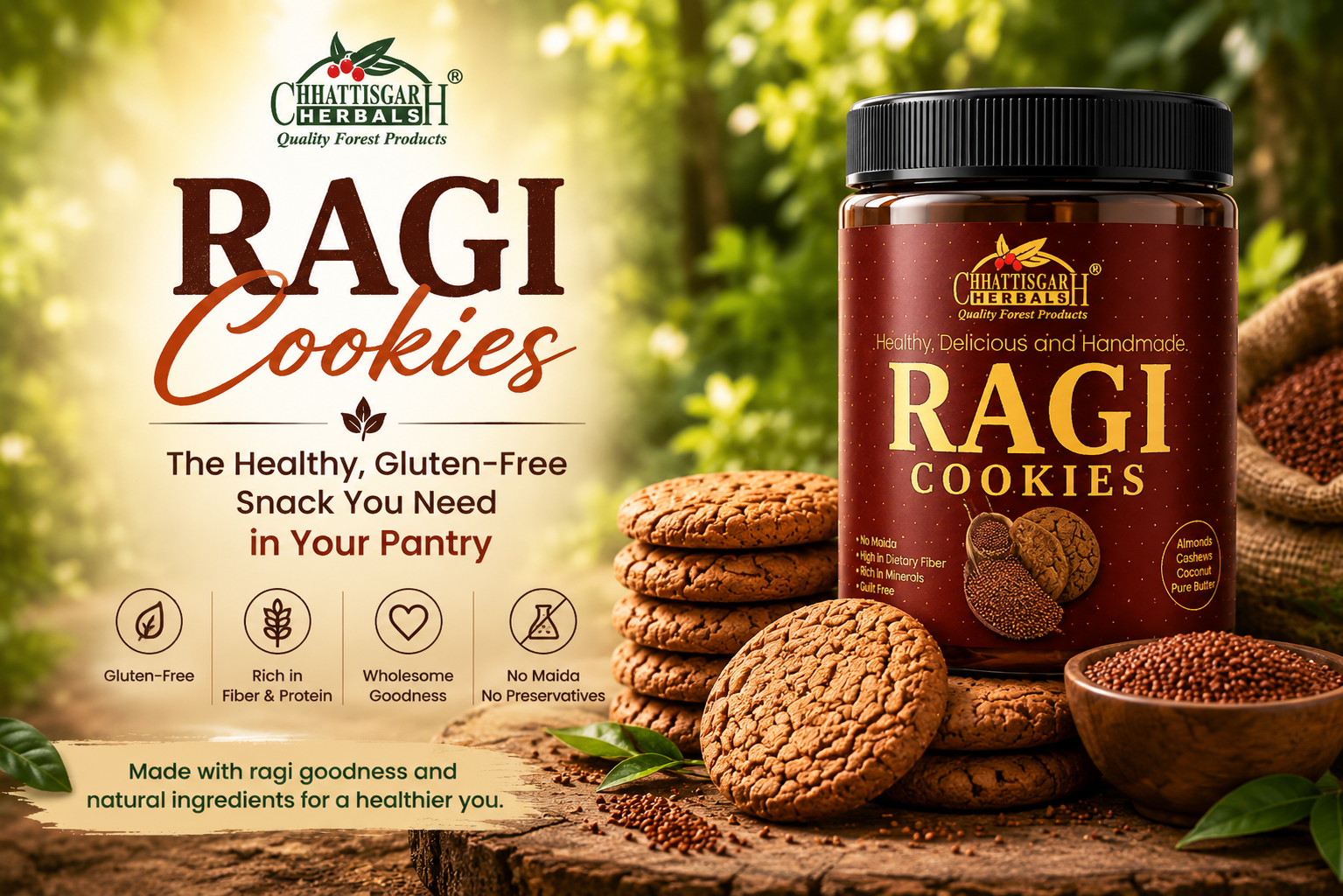
If you've been searching for a snack that satisfies your sweet tooth without the guilt, ragi cookies deserve a permanent spot in your kitchen. Made from finger millet flour, these cookies bring together nostalgia and nutrition in a way few modern snacks manage. Whether you know them as ragi biscuits, nachni cookies, or by their regional names like Kelvaragu or Ragulu cookies, one thing stays constant — they're as wholesome as they are delicious. In this guide, we'll walk through why ragi cookies have become a favorite among health-conscious families, how they compare to regular biscuits, and how you can bring them into your daily routine — whether you bake them at home or buy them ready-made.
What Makes Ragi Cookies Different?
Ragi, or finger millet, has been a staple grain in South Indian households for generations. Unlike refined wheat flour, ragi is naturally rich in calcium, iron, and dietary fiber. When it's turned into cookies, you get a treat that tastes indulgent but delivers real nutritional value. That's the core appeal behind finger millet cookies — they let you enjoy teatime without derailing your health goals.
Most recipes combine ragi flour with a small amount of whole wheat flour (atta) for texture, along with a natural sweetener. This is where you'll often see two popular variations: ragi cookies with jaggery for a refined-sugar-free option, and classic sugar-based versions that mimic the crumbly texture of traditional nankhatai.
Health Benefits of Ragi Cookies
The health halo around ragi isn't just marketing — it's backed by genuine nutritional science. Here's what makes these cookies worth the hype:
• Rich in calcium and iron: Ragi contains significantly more calcium than most cereals, making it excellent for bone health.
• Naturally gluten-free: Gluten-free ragi cookies are a safe, tasty option for anyone managing gluten intolerance or celiac disease.
• Supports blood sugar management: Thanks to its high fiber content, ragi digests slowly, which is why ragi cookies for diabetics are frequently recommended as a smarter snack alternative — similar in principle to how Madhumeh Nashak Churna is formulated to support healthy glucose metabolism through diet.
• Aids digestion: The fiber in ragi supports gut health and helps prevent constipation.
• Contains antioxidants: Ragi is loaded with phenolic compounds that help fight oxidative stress in the body.
It's worth noting that not every ragi cookie is automatically “healthy” — added sugar, butter, or hydrogenated fats can offset some benefits. If you're specifically looking for ragi cookies benefits tied to weight management or diabetes-friendly eating, always check the ingredient label for added sugars and the type of fat used.
Ragi Cookies for Every Life Stage
One of the most searched questions around this snack is whether it's suitable across age groups — and the answer is largely yes, with a few tweaks.
For weight management: Because ragi is filling and lower in calories relative to maida-based biscuits, ragi cookies for weight loss have become a popular substitute for regular tea-time snacks. Pairing them with a balanced diet and portion control makes them an easy win.
For children and babies: Many parents specifically look for ragi cookies for babies, given ragi's long history as a weaning food in Indian households. For very young children, it's best to choose eggless, low-sugar versions and introduce them gradually, ideally after consulting a pediatrician.
For daily snacking: If you simply want a healthier alternative to store-bought biscuits, eggless ragi cookies are widely available and easy to make vegetarian or vegan-friendly.
Homemade vs. Store-Bought: What Should You Choose?
There are two solid paths to enjoying ragi cookies, and the right one depends on your priorities.
Baking at home gives you full control over ingredients — you can adjust sugar levels, swap in jaggery, or add mix-ins like almonds or chocolate for a twist on the classic recipe. A basic method involves creaming butter or ghee with your sweetener, folding in ragi and wheat flour, shaping the dough into rounds, and baking until golden — typically 15-20 minutes at 160-180°C.
Buying ready-made is ideal if you want consistency and convenience. Several bakeries and health-food brands — including Chhattisgarh Herbals, which sources its finger millet through tribal and forest-community supply chains — now offer packaged ragi cookies with long shelf lives (2-4 weeks), often free from preservatives, palm oil, or maida. When shopping, look for labels that clearly state ragi content, sugar type, and whether the product is baked with real ghee or hydrogenated fat.
Regional Names to Know
Ragi goes by different names depending on where you are in India, and recognizing these can help when you're browsing recipes or shopping:
• Nachni (Maharashtra, Gujarat)
• Kelvaragu (Tamil Nadu)
• Ragulu (Telugu-speaking regions)
• Koovarugu (parts of South India)
• Mandua (North India)
So if a recipe or product calls itself “nachni biscuits” instead of ragi cookies, it's the exact same wholesome grain at work.
Frequently Asked Questions
Q: Are ragi cookies healthy?
A: Yes, when made with minimal added sugar and healthy fats. Ragi itself is nutrient-dense, but the overall healthiness depends on the recipe.
Q: Can diabetics eat ragi cookies?
A: Ragi's low glycemic index and high fiber content make it a better choice than refined-flour biscuits, but portion control and low-sugar recipes are still important.
Q: How long do ragi cookies last?
A: Homemade versions typically stay fresh for 2-3 weeks in an airtight container, while commercially packaged options can last up to a month.
Q: Can I make ragi cookies without eggs?
A: Absolutely. Most traditional recipes are naturally eggless, using butter or ghee as a binding agent instead.
Q: Are ragi cookies suitable for babies?
A: Ragi has long been used in Indian weaning foods, but for babies specifically, choose low-sugar, soft-textured versions and consult a pediatrician before introducing new foods.
Final Thoughts
Ragi cookies sit at a rare intersection of tradition, taste, and nutrition. Whether you're baking a batch at home with jaggery and cardamom or picking up a pack of ready-made ragi biscuits for the week, you're choosing a snack that does more for your body than a typical store-bought cookie. Start with a small batch, experiment with sweeteners and flavors, and you may just find your new go-to teatime companion.